
When customers hold their parcel, they see and hold the box first. The premium quality of the box gives them a feel that the product inside the box will be of top-notch quality. This is the importance that the packaging holds. Luxury brands have understood this and give their products in elegant boxes. In today’s competitive world, standard packaging cannot compete with luxury custom packaging. You have to shift towards luxury and premium boxes for packaging.
If you are a business owner and want to choose luxury rigid packaging for your product, here in this guide you will learn all the essential details that you need to know about rigid boxes.
What Are Rigid Boxes?
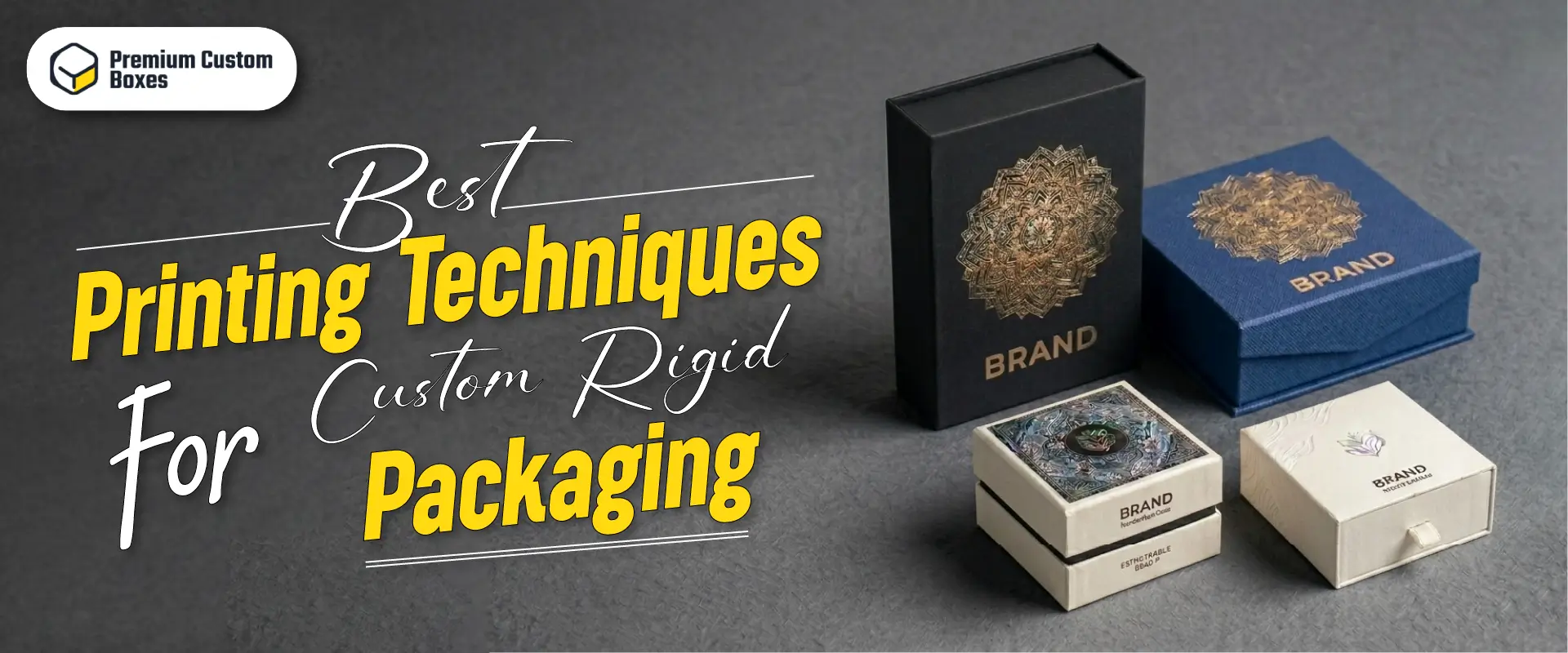
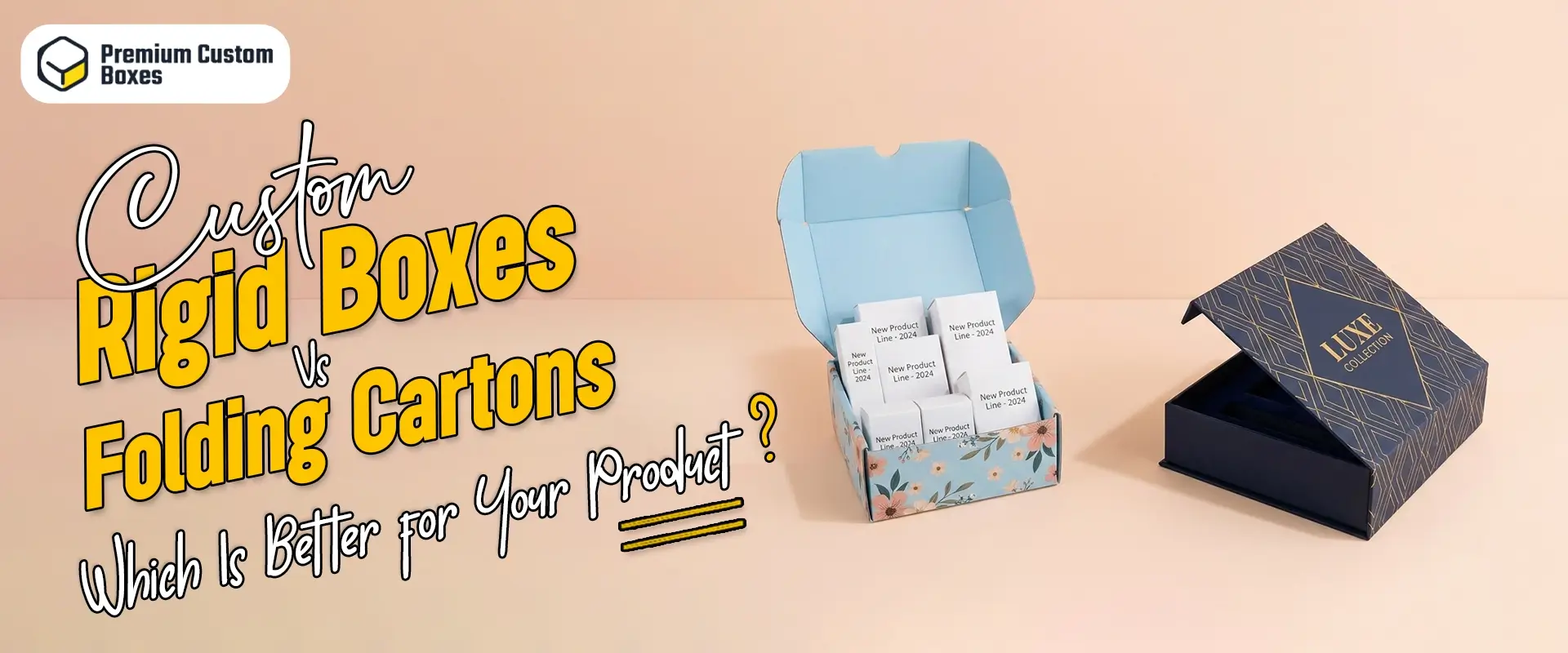
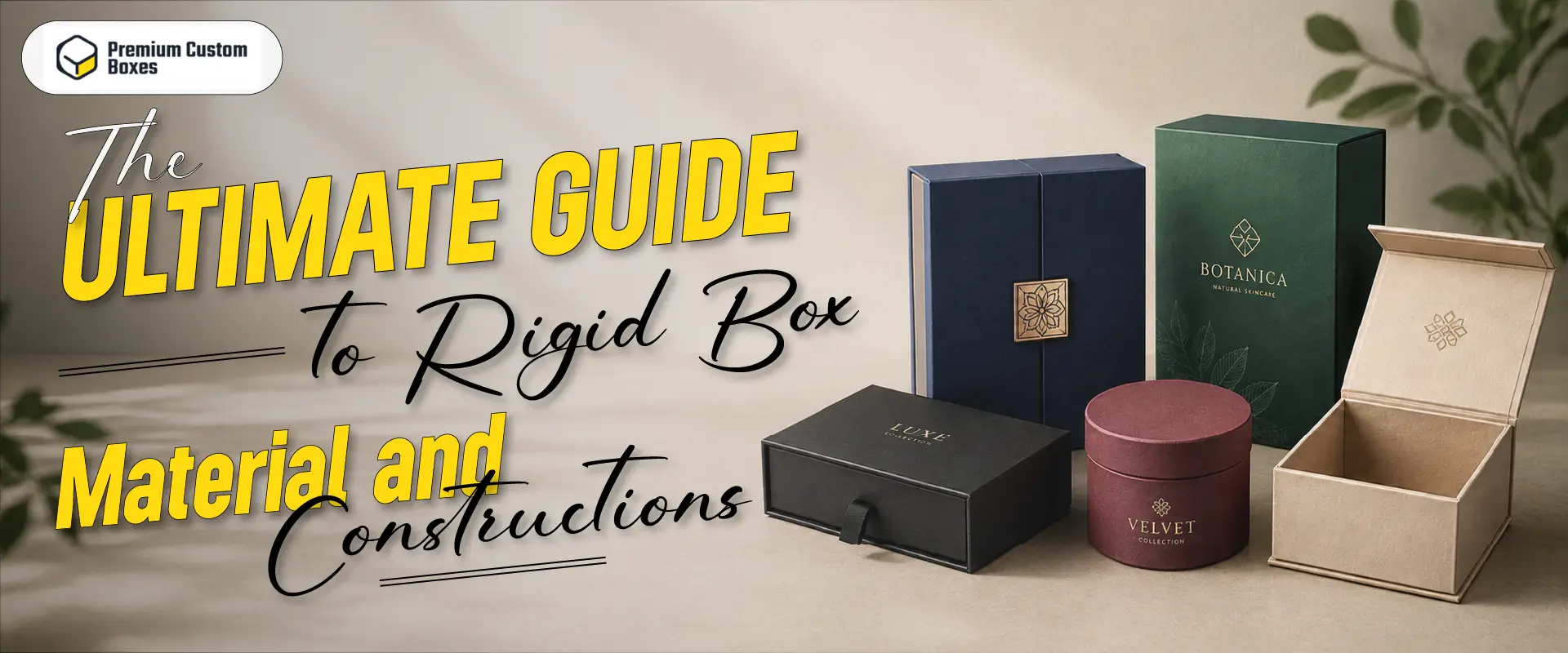
A rigid box is a luxury packaging box that is made from thick and heavy-duty paperboard. This is also known as a set-up box. Unlike cartons that need to be folded, these boxes are assembled. These boxes occupy more space as they are already assembled. They can be easily stacked over one another.
These boxes are strong and very durable. They have a distinct weight, but they keep the products safe during transit. They have layers of different materials such as the base and the wrapping paper. The printing of the custom designs for the brands is done on wrapping sheets. This allows versatile designing and coating options. This makes custom rigid boxes, which many brands want.
Materials Used To Make Rigid Boxes
The packaging does leave a lasting impact on the customers. The primary determinant is the material that is used to make these boxes. The following are the materials that are used to make rigid boxes:
Grey Chipboard
This is made from recycled paper fibers that are pressed together in the form of a sheet. The thickness of these varies from 1 mm to 3 mm. It is one of the eco-friendly materials.
Duplex Chipboard
In this type of material, one side is bleached white, and the other side remains colorful. The inner side remains white and clean. This eliminates the need for using wrapping paper on the inside of the lid.
SBS (Solid Bleached Sulfate) / C2S (Coated 2 Sides)
These are the standard for high-resolution printing for wraps and liners. These papers have a clay coating that prevents ink absorption. The texture of these papers is very smooth and can easily be coated in matte or other finishing coats. These are used for the printing of designs that have intricate colors and graphics.
Natural Brown Kraft
Many people now demand eco-friendly packaging along with high-quality products. This brown kraft paper is the best fit for businesses whose main priority is environmentally friendly materials. As this is brown, it gives a rustic look. This makes a very minimal-looking box, which is loved by Gen Z.
White Kraft
This is a bleached version of kraft paper that gives a slightly textured appearance. The colors are accurately printed on this surface, thus allowing a non-glossy appearance.
How Are Rigid Boxes Made?
The process of manufacturing these rigid boxes is very interesting, and many people want to know the industrial details. Here is the step-by-step guide on how these boxes are made:
- Cutting and creasing
First, the shape of the box is designed. After that, at an industrial level, the large cutters are used to cut the base material into the shape of the box. Then high creases are made along the marked edges where the box will fold later.
- Corner staying
The box is then folded along the creases or scored lines to form walls around the trays. A special machine is used to apply strong, heat-based adhesive tape to join the corners. That’s why this step is known as corner staying.
- Printing the wrapping sheet
This step involves designing and printing the outer wrapping paper. This paper is designed according to a custom brand logo or theme and then printed.
- Gluing and wrapping
A thin layer of glue is then applied to the backside of the printed wrapping paper. This is then carefully joined with the rigid box.
- Inserting the liner
To cover the rough edges of the box from inside, custom-insert liners are applied.
Types Of Inserts
A box is incomplete without inner presentation. The box is completed by inserting inserts in the box. These inserts serve the role of a cushion and prevent the products from rolling around the box during transport. The following are some types of inserts that are used:
- Foam inserts
These are made of EPE or EVA foam that provides maximum shock absorption. They are custom-made according to the shape of the products. They are used for glassware, electronics, and cosmetics.
- Cardboard/paperboard inserts
This is an environmentally friendly option that uses kraft or cardboard paper. Designers fold these boards to create boxes, cells, and platforms.
- Pulp trays
These are made and molded from recycled paper pulp. These give a rustic appearance.
- Plastic trays
Thermoformed plastic trays have compartments and have a rigid and clear structure. They are ideal for medical and bakery products.
- Fabric inserts
They are used with foam inserts and use different fabrics such as leather, velvet, and silk, especially for jewelry and luxurious products. This gives a very elegant look.
Types Of Rigid Boxes
The structure of rigid boxes varies and can be used for different purposes based on the uses. The following are the different types of rigid boxes:
| Type | Structural feature | Best use |
| One Piece Boxes | The lid is attached to the box, and they are one unit | Subscription and apparel boxes |
| Two-Piece Boxes | The lid can be separated from the base | Smartphones, shoes, and chocolates |
| Book Style Boxes | Opens in the form of a book | PR kits, high-end cosmetics, gift boxes |
| Collapsible or Foldable Boxes | Have creases that can be folded completely and then form into a strong, rigid structure | Brands that have less storage space and want strong structural boxes |
| Custom Magnetic Rigid Boxes | Has a magnet that is embedded in the lid and gives a “tuck” sound when closed | Luxury jewelry, watches, and premium gift sets |
| Match-Or-Slide Style Boxes | In the form of a matchbox, the inner box slides out from the outer protective sleeve | Jewellery items and small electronics |
| Shoulder Neck Boxes | It has a raised neck on the base upon which the lid is attached | High-end perfumes, boutique dresses and cosmetics |
Some Specific Features Given By Us
We completely understand that customers want something unique in the packaging, especially for their limited-edition products. Here are a few features that add a luxury feel, and we at Premium Custom Boxes are proud to give those:
Metal Corners
We add premium metal corners to the edges of the boxes that make these boxes stand out from the regular ones. They are used for limited edition boxes because they give a premium and luxury feel.
Ribbon Closures
The boxes are closed with ribbons that are tied in different designs around the boxes. This is used mostly for gifting items. The customers love to untie the ribbon and make unboxing videos.
Leatherette Wraps
The leather wraps are used in place of regular paper wraps. This leather gives the rigid boxes a luxury look. These can be used for designer dresses and premium watches. Many brands use them for display purposes on their shelves.
Conclusion
When you are selecting the right material for your packaging, you must know the details about the product. After going through this blog, you will know the details of the rigid boxes and which one you should select. There is a wide variety of options from which you can select, such as a kraft paper base material if you prefer eco-friendly boxes or magnetic closures with an SBS base material when you want packaging for a luxury product. If you are still confused about rigid boxes or need any help, we are here to guide you. You can leave your query on our website. Our team will guide you in more detail.