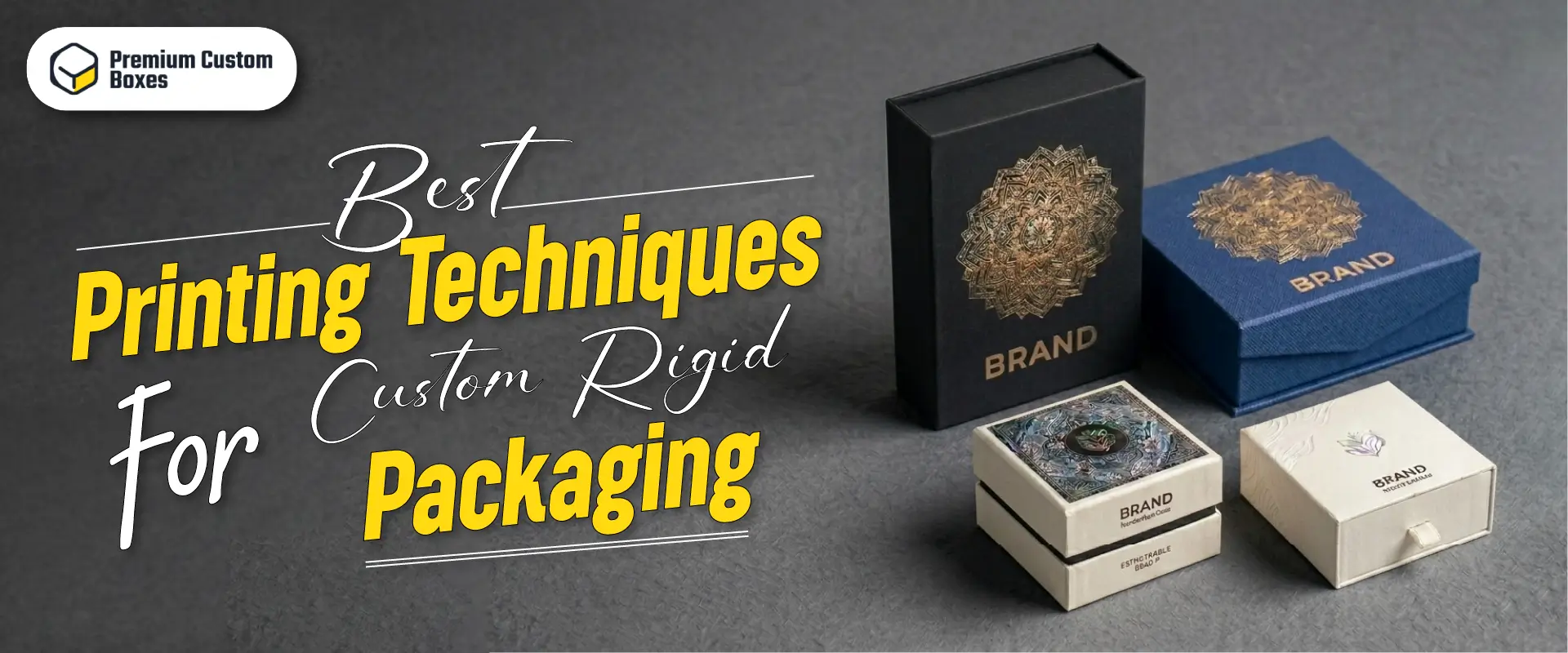
The printing technique in customized printing is actually the base that determines the final look of the packaging. The packaging can be made exceptional or ruined completely depending on the type of printing techniques used, based on the design and the material used. The use of the wrong printing technique can make the image or text blurry and destroy the custom packaging. Here in this guide, you will learn about different printing techniques and which one is best for your order.
How Are Rigid Packaging Boxes Printed?
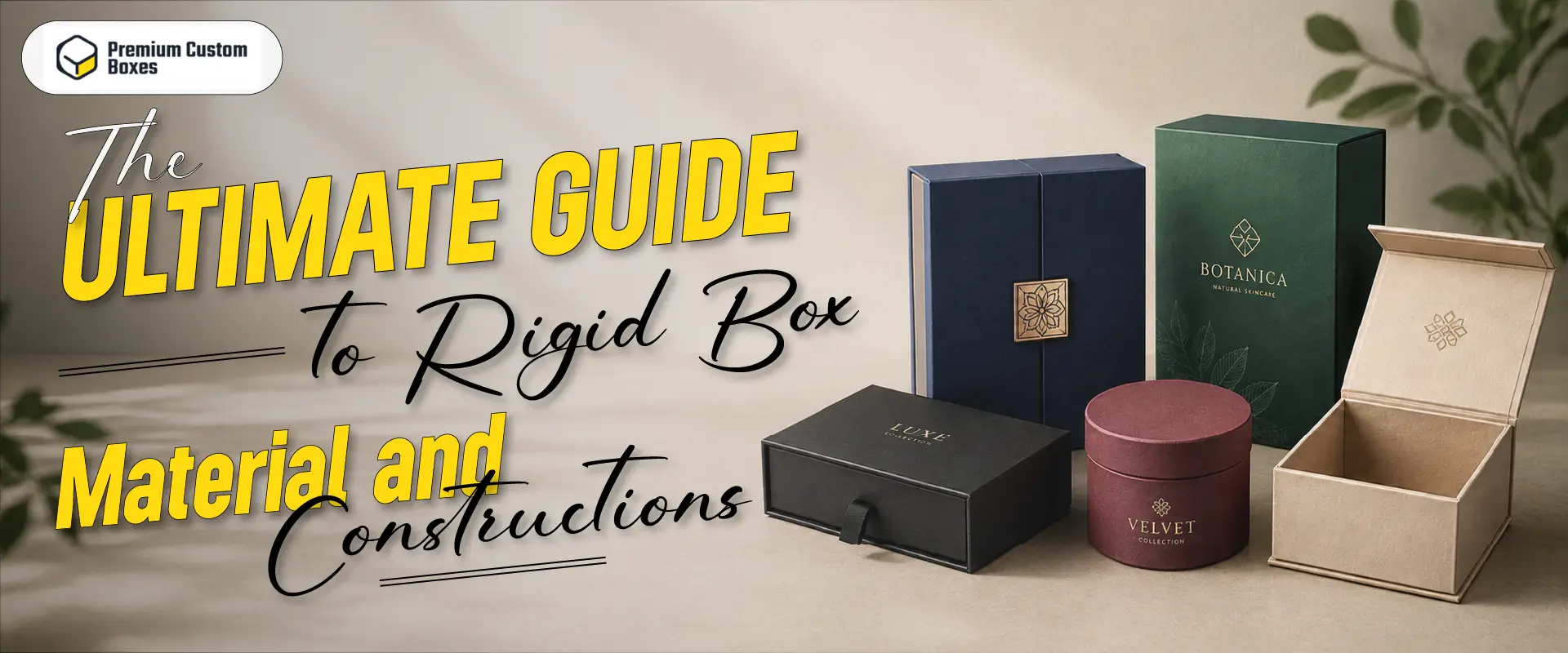
The printing of rigid packaging boxes is slightly different from regular box packaging printing. Here, the printing is not done directly on the boxes because the surface of these boxes is rigid and can’t fold when passed through the printers as compared to the cardboard boxes. Here is how the printing is done for custom rigid boxes:
Printing the wrapping paper
Instead of direct box printing, the wrapping paper is printed first. The wrapping paper can be of different types, such as art paper, kraft paper, special metallic paper, or velvet and suede paper.
Box wrapping
The wrapping paper is then applied carefully to the box according to given dimensions using a very thin and even layer of glue.
This process ensures sharp and clean printing of the designs of the brand and their logos.
Different Printing Techniques Used For Rigid Packaging
There are many different printing techniques that are used in the packaging industry for printing bags, boxes, and other materials. When it comes to rigid packaging, the following are the types of printing techniques that are best and most commonly used:
- Digital printing
- Offset lithography
- Flexographic printing
- Screen printing
Brief Comparison Of Different Printing Techniques
Here is a brief comparison of the most commonly used printing techniques for rigid packaging:
| Printing Technique | Print Quality | Setup Cost | Order Volume | Best For |
|---|---|---|---|---|
| Digital Printing | High | None | Low | Occasional Designs |
| Offset Lithography | Maximum | High | Medium to High | Luxury Electronics, Custom Cosmetic Boxes, Jewellery Packaging |
| Flexographic Printing | Moderate | Medium | High | Subscription Boxes, Mass-Marketing Shipping Boxes |
| Screen Printing | Vibrant / Opaque | Medium | Low to Medium | Minimal Logos, Special Text |
Detailed Analysis Of Each Printing Type
Here is a detailed analysis of different printing types:
Digital Printing
This is an industrial version of an office inkjet printer. This transfers the designs from PDF and other file formats directly to the paper substrate using advanced nozzles. sprays. UV lamps or heating elements instantly cure the ink on the paper, thus eliminating the need for extra long drying time.
This technique is cost-effective and is best suited for order sizes ranging between 1 and 500 pieces because setup is not required here. This is often used for limited occasion-based or sale-product packaging.
Offset Lithography
This is also known as offset printing. In this printing, the laser first transfers the image to aluminum plates. These inks are then transferred to rubber-blanket cylinders. From these, the ink is transferred to the printing surface. This process makes sure that the design is printed eventually and according to the small sizes of the text.
This technique is costly compared to digital printing because it involves creating plates. This is typically used for orders of more than 1000 pieces in order because this will help lower the cost of plate printing. This technique is useful for products that require high accuracy of color matching and is mostly used for jewelry, cosmetics, and other high-end luxury product packaging.
Flexographic Printing
This printing technique uses photopolymer plates with raised artwork on spinning cylinders. As the printing paper is passed through the rollers, it prints the artwork on the sheets. This method is used for mass production, usually for more than 5000 pieces. This is usually preferred for retail boxes where cost efficiency is more important than highly accurate designs.
Screen Printing
In this technique, ink is forced onto the substrate by passing it through a mesh stencil. This deposits a thick layer of ink and has an intense color density. This is used for order sizes of typically 100 to 1000 pieces. This is mostly used for designs that have single-color printing or minimal design. Moreover, it is preferred for dark-colored backgrounds.
Premium Finishing Options To Complete The Look
After the initial step of printing is done, many brands use different finishing techniques that enhance the overall look of the products. The following are some of the most commonly used finishing techniques:
Debossing
This makes an indent on the packaging so that customers can feel the texture when they touch the boxes.
Embossing
This is quite the opposite of debossing. Here, the text of logos or names is raised above the surface of the boxes. This gives a 3D effect, and the name of your brand becomes prominent when lying on the retail shelves.
Foil Stamping
This method uses heat to bond thin, metallic foil such as gold, silver, and others into the wrapping paper. The light gets reflected from this metal and makes the overall product look very attractive.
Window Patching
In this process, the box is made in such a way that there is a clear window in the box from which the users can see the products.
Coating And Laminations That Protect The Product
Different types of coatings and laminations help to protect your products from scratches, damage, fingerprints, grease, and moisture. The following are the coating and lamination options that are used for different uses:
| Coating / Lamination Type | Appearance | Related Information |
|---|---|---|
| Anti-Scratch Lamination | Transparent | Prevents fingerprints and other marks during shipment. |
| Aqueous Coating | Matte | Water-based layer that dries easily. |
| Soft Touch Coating | Low-glare Matte | Provides a luxurious and rich sensation. |
| Spot UV | Gloss | Creates high visual appeal, especially when used on matte backgrounds. |
| Gloss Lamination | Shiny | Boosts color saturation and enhances image details. |
| Gloss Varnish | Shiny | Provides a shiny seal using clear liquid inks. |
| Matt Lamination | Non-reflective | Gives packaging a neat and modern aesthetic look. |
| Matt Varnish | Dull / Flat | Cost-effective liquid application. |
Tips To Make Your Printing Designs Stand Out
Here are a few tips that you can use to make the designs of your packaging unique and appealing for the customers.
Leave Some Space
Don’t make the design congested by including every little detail or so much text or images. Make sure that everything is nicely placed.
Designing The Interior
The inside of the box can also be custom printed. Many brands include instructions or some notes. This helps your packaging designs stand out in the market and gain more social media recognition.
See Typography
Always use the font styles and sizes that suit your packaging size. Moreover, always make sure that important information regarding the product is clearly listed.
Always Check Color Combinations
Always see different color palettes that are available online to make sure that you choose the correct color combination.
If you don’t know how to make the design, there are a number of manufacturers such as Premium Custom Boxes that give free design assistance to help you make the best designs for your clients.
Conclusion
The right printing technique is essentially necessary to give the product the look that makes it represent your brand. Now, when you place an order for your packaging business, you have enough knowledge to choose which printing technique should be used for your packaging. However, if you are still confused, you can simply ask the manufacturer to help you select the right technique because they are experts in that and will give the best suggestion according to your order size and style.